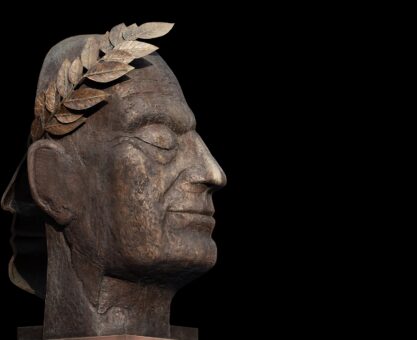
Non-formal learning experiences often involve the exploration of cultural arts and expressions. Participants may engage in artistic endeavors, performances, or creative projects that showcase the diverse artistic traditions and talents present within the multicultural community.

Non-formal learning experiences frequently delve into the exploration of cultural arts and expressions, creating immersive platforms for participants to engage with diverse artistic traditions and talents thriving within multicultural communities. These dynamic encounters extend beyond traditional education, offering individuals opportunities to connect with culture through artistic endeavors, performances, and collaborative projects.
Within the realm of non-formal learning, artistic exploration becomes a gateway to cultural understanding. Participants may find themselves involved in hands-on activities that encompass visual arts, music, dance, literature, and various other forms of creative expression. These endeavors serve as powerful vehicles for cultural immersion, allowing individuals to not only observe but actively participate in the vibrant tapestry of multicultural heritage.
Artistic performances within non-formal learning environments serve as living expressions of cultural richness. Whether it’s a dance performance showcasing traditional movements, a musical ensemble featuring instruments from different corners of the world, or a theatrical production exploring diverse narratives, these presentations become windows into the heart and soul of varied cultural experiences.
By engaging in non-formal learning experiences centered around cultural arts, participants gain more than just technical skills; they develop a profound understanding of the cultural contexts that shape artistic expressions. These experiences promote cross-cultural dialogue and appreciation, breaking down barriers and fostering connections that transcend linguistic and cultural differences.
Moreover, non-formal learning encourages collaborative artistic projects that bring together individuals with different backgrounds and skills. Through collective creativity, participants contribute to the co-creation of pieces that reflect the amalgamation of cultural influences. This collaborative process fosters a sense of shared identity and appreciation for the unique contributions each culture brings to the artistic landscape.
In essence, non-formal learning experiences that incorporate cultural arts and expressions provide a holistic approach to understanding and celebrating diversity. They empower individuals to explore, appreciate, and actively participate in the rich cultural tapestry that surrounds them, fostering a sense of unity and interconnectedness within the multicultural community.