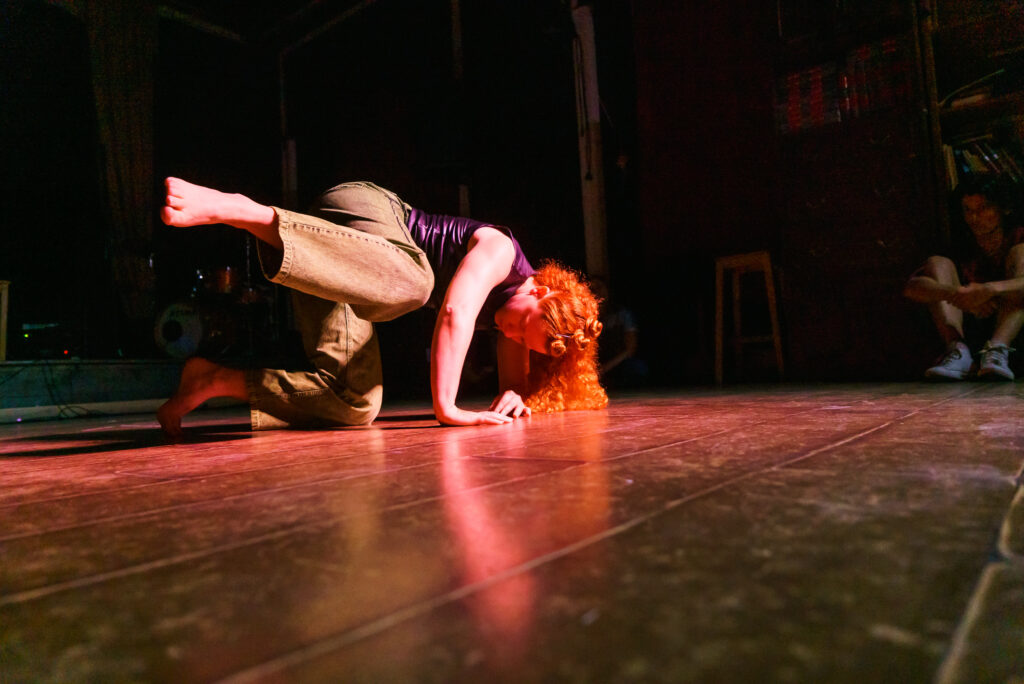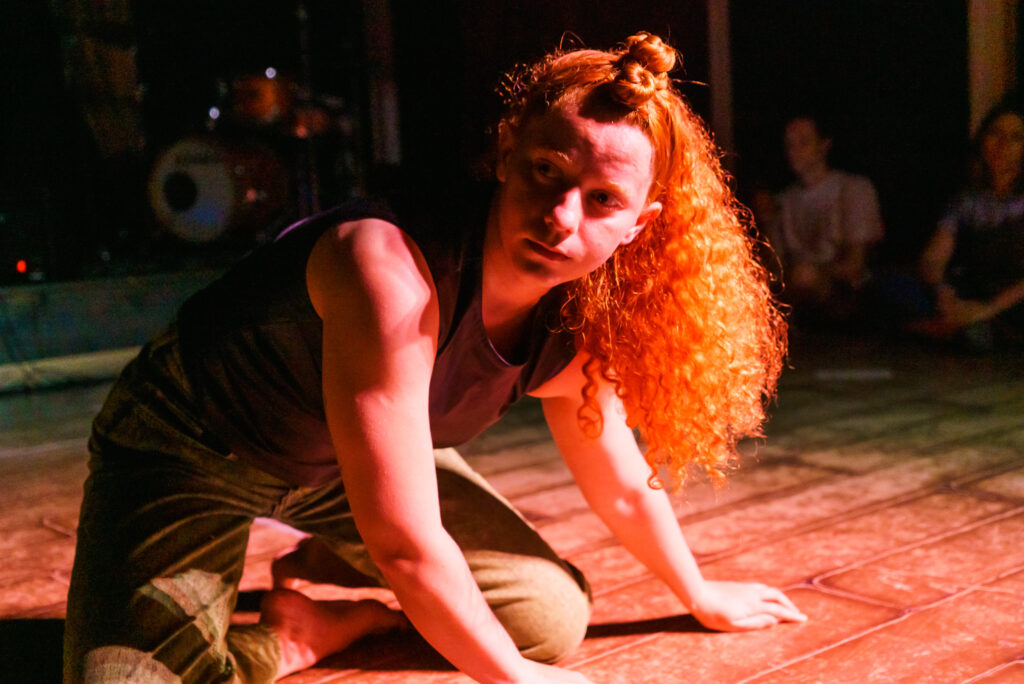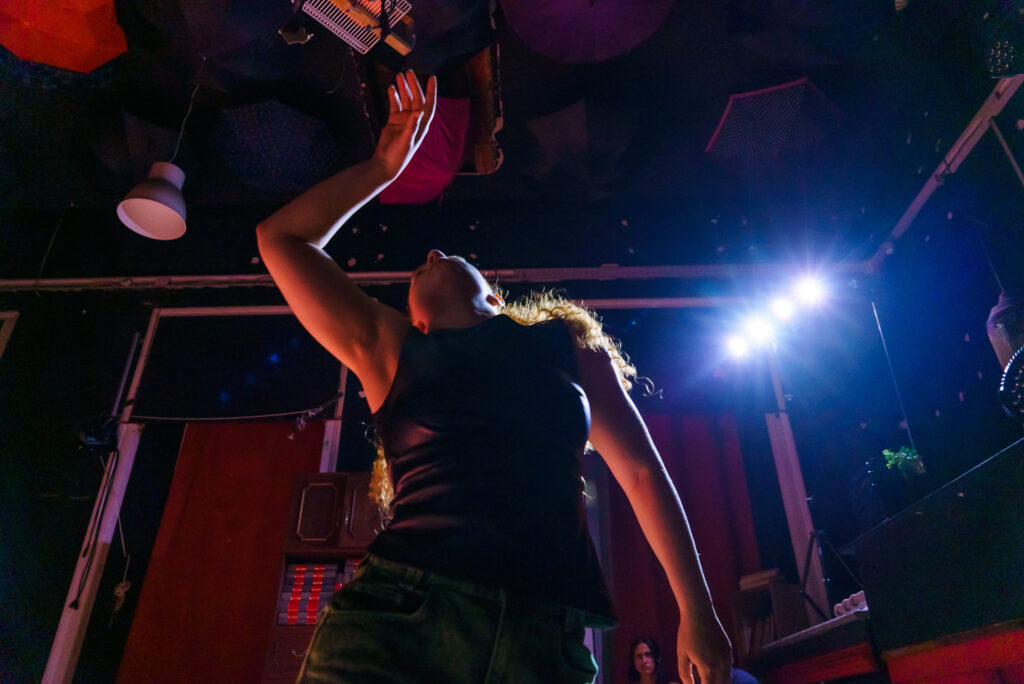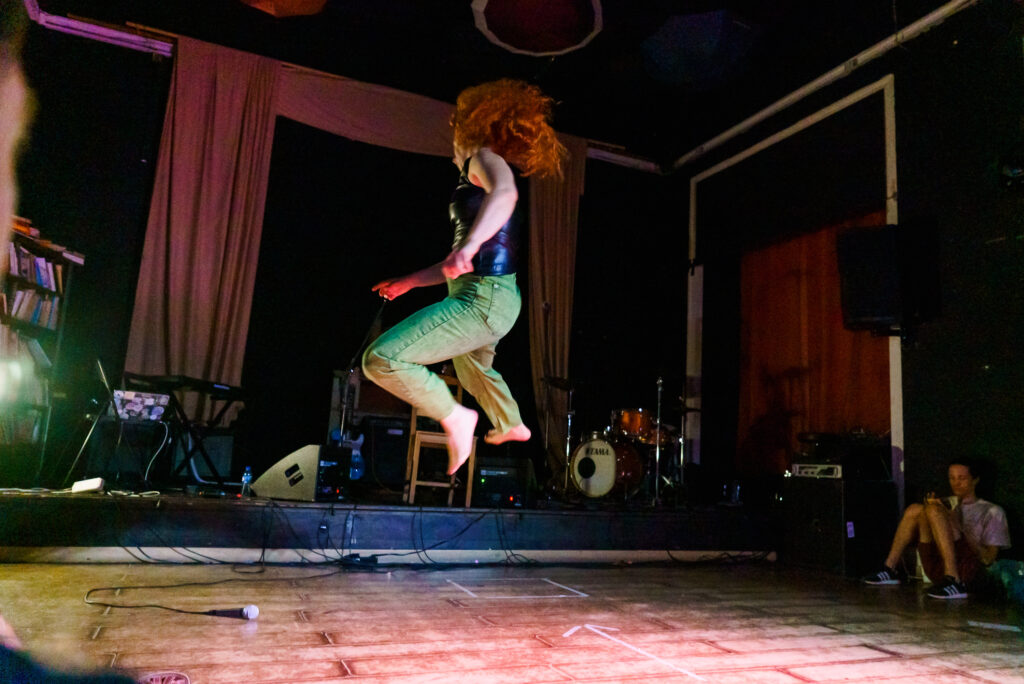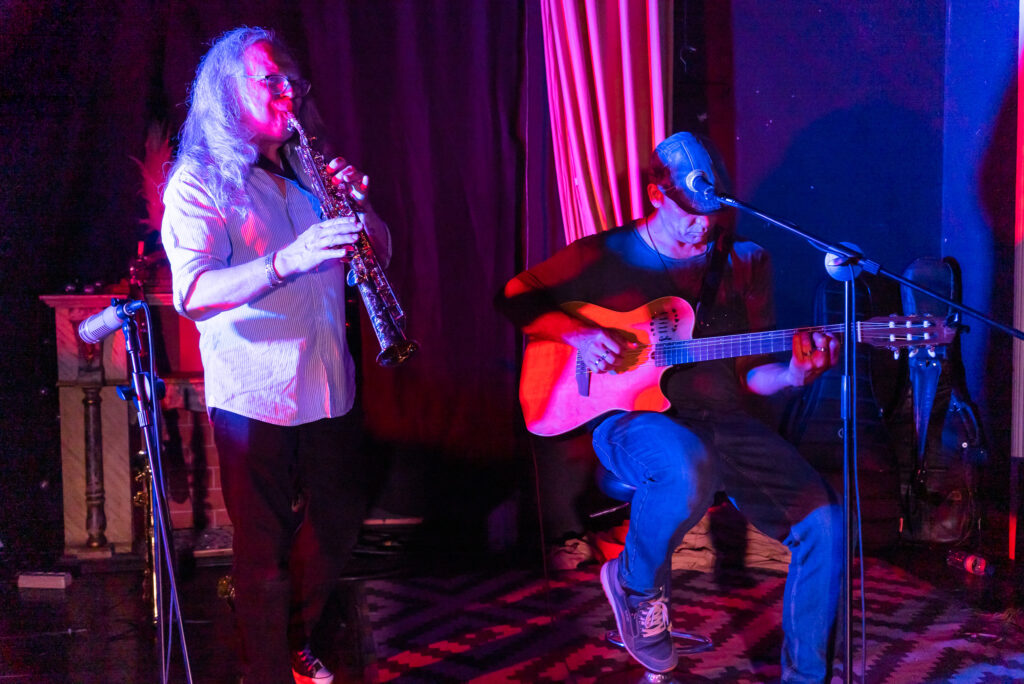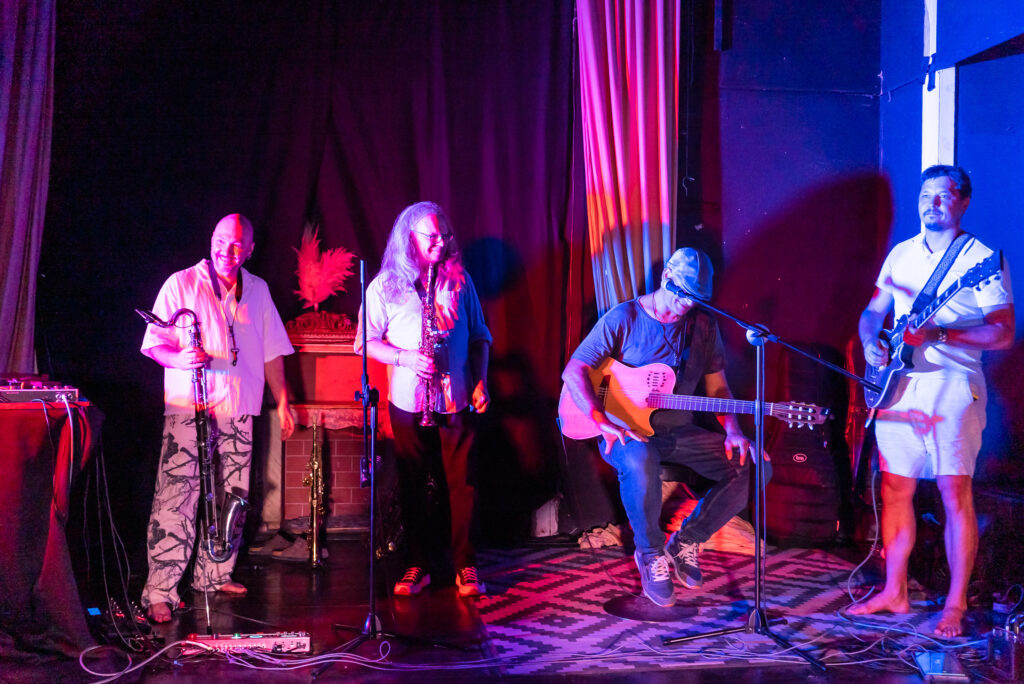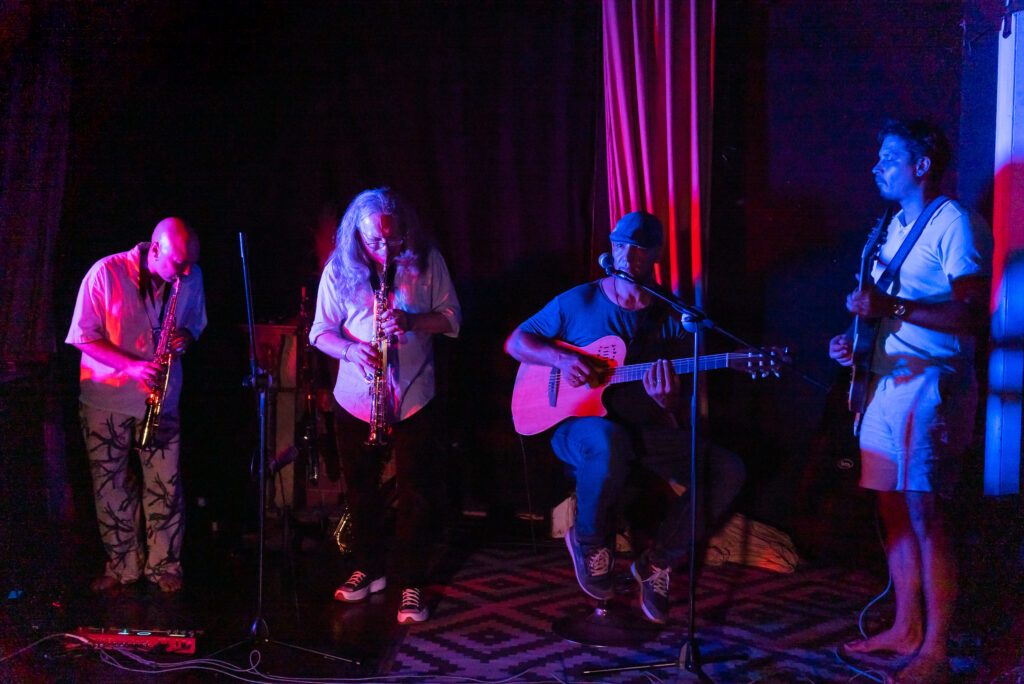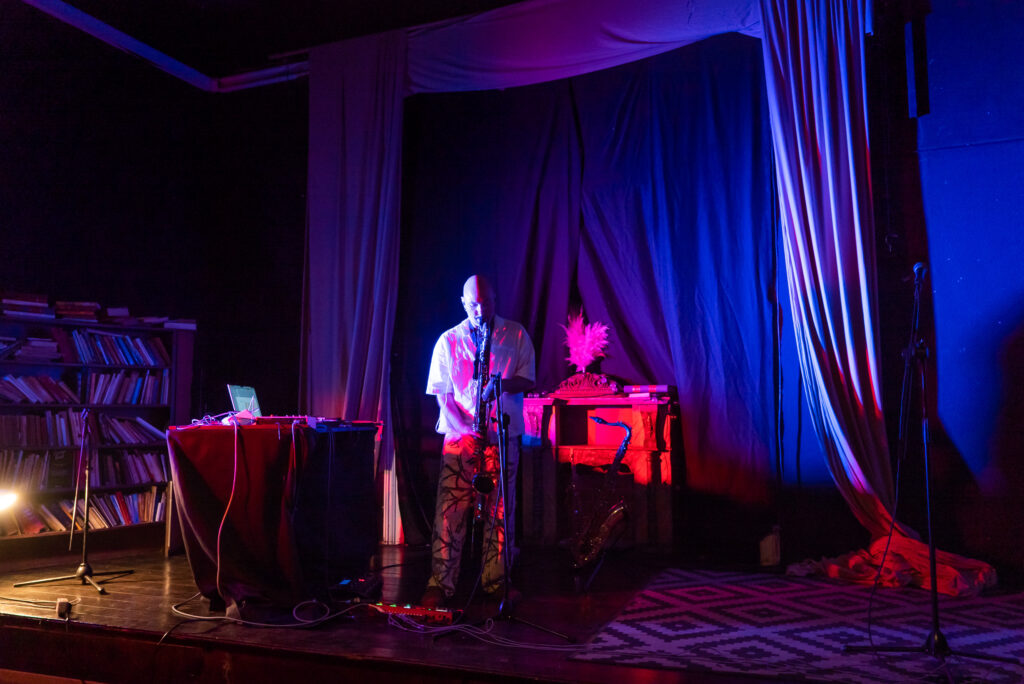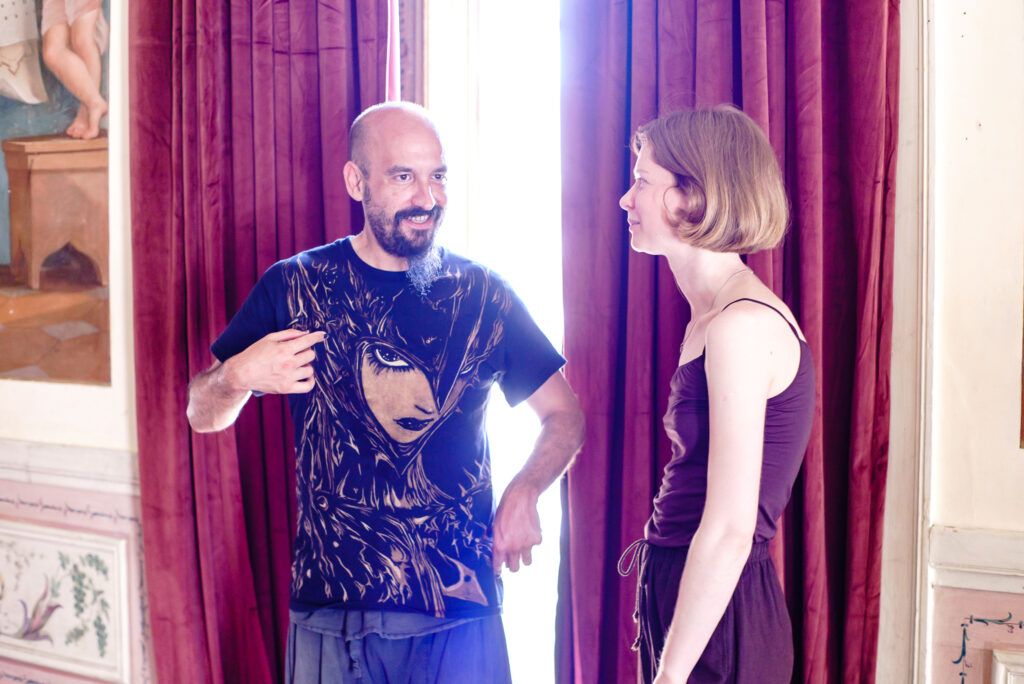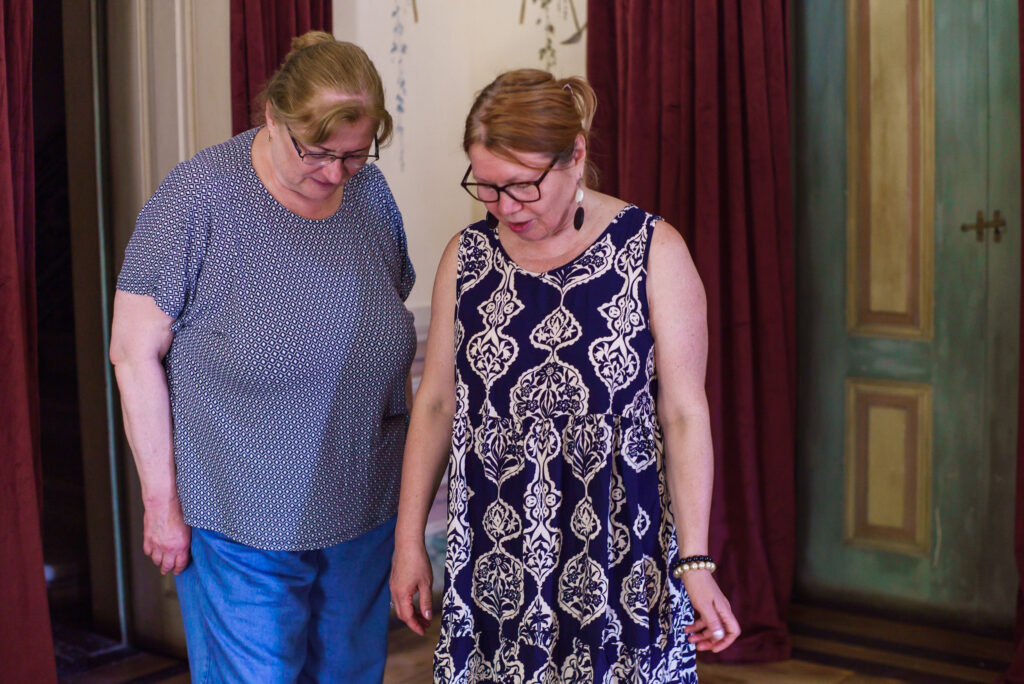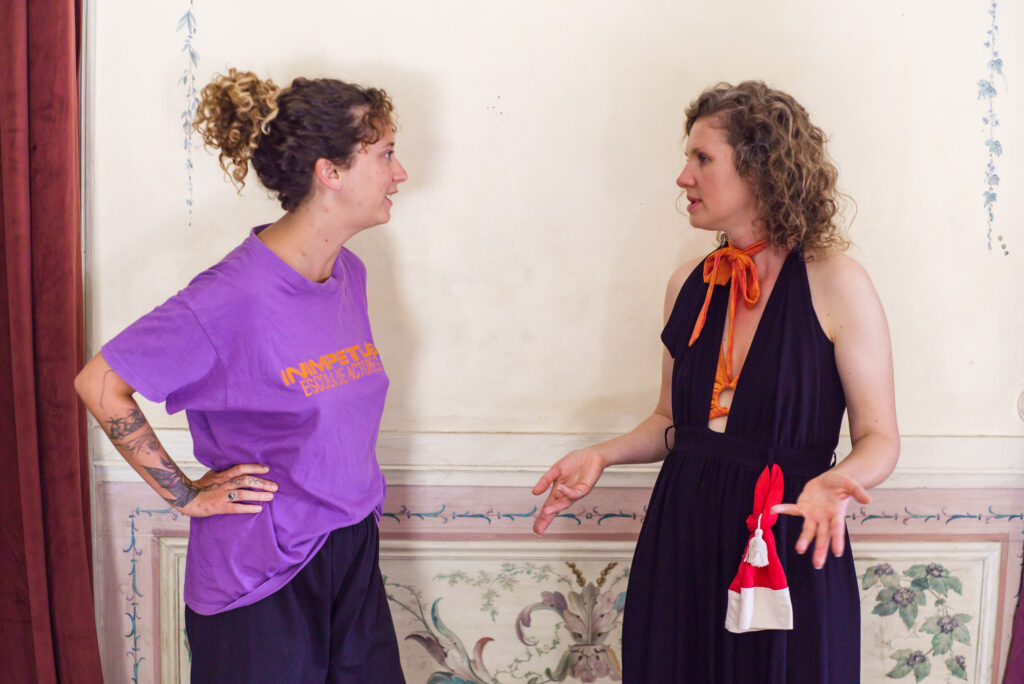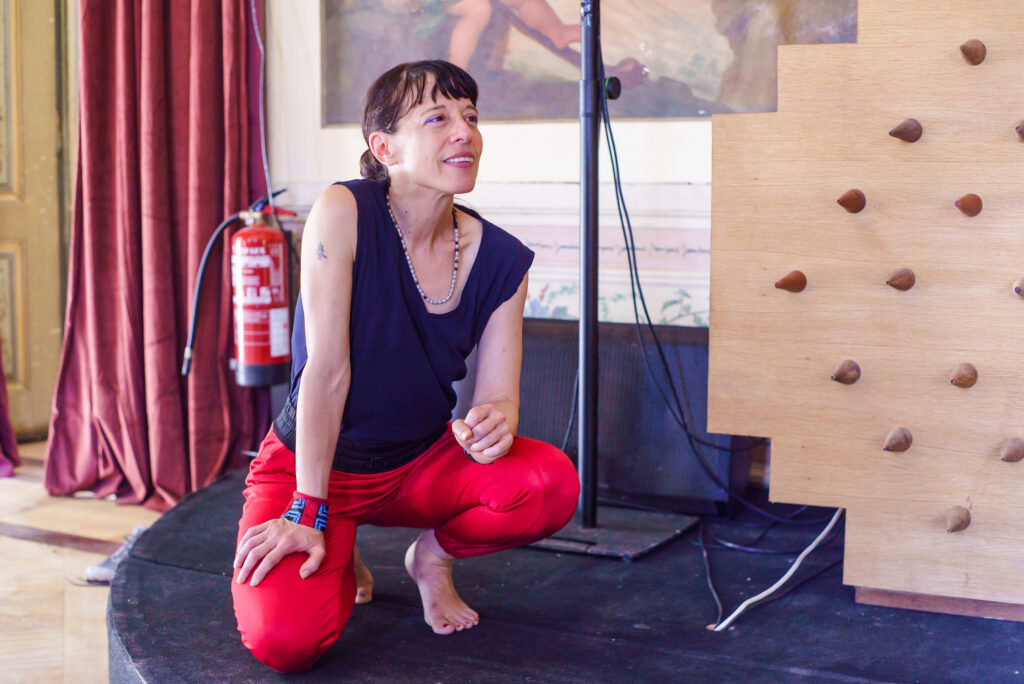
We are happy to share the project “Performing Bridges: Improvisation for Inclusive Education and Social Change” is now on stage.
Erasmus+ Project 2025-1-PT01-RF210-ADU-000360058
Please visit the website for more information https://performingbridges.eu
………………………………………………………………………………………………………………………………………
Improvisation as a Bridge to Inclusive Learning and Social Change
How can improvisation help people communicate better, build trust, and create more
inclusive learning environments? This question was at the heart of the Total Improv
Festival, a three-day international event held in Lisbon on 17–19 June 2026 as part of the Erasmus+ project PERFORMING BRIDGES: Improvisation for Inclusive Education
and Social Change (2025-1-PT01-KA210-ADU-000360058). The festival explored
improvisation not only as an artistic practice but also as an educational methodology for adult learning and social inclusion.
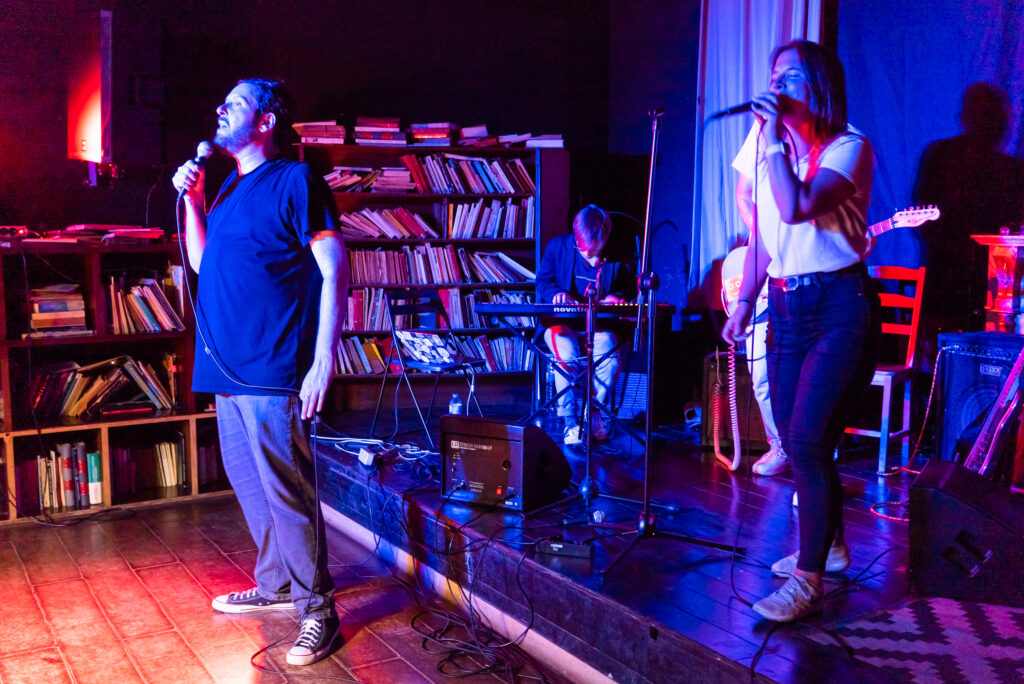
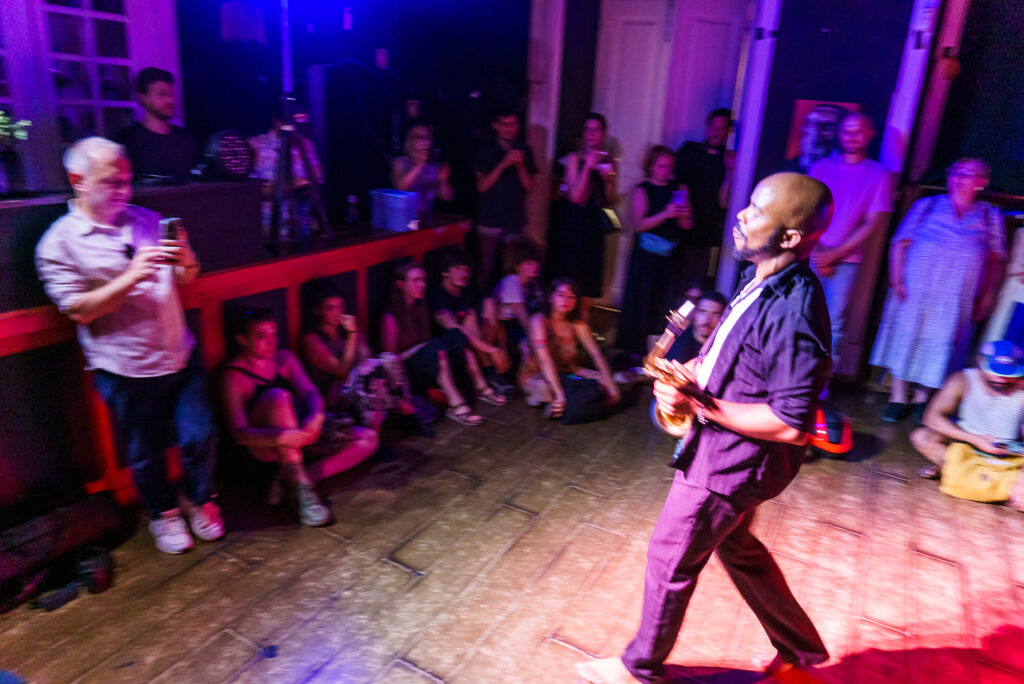
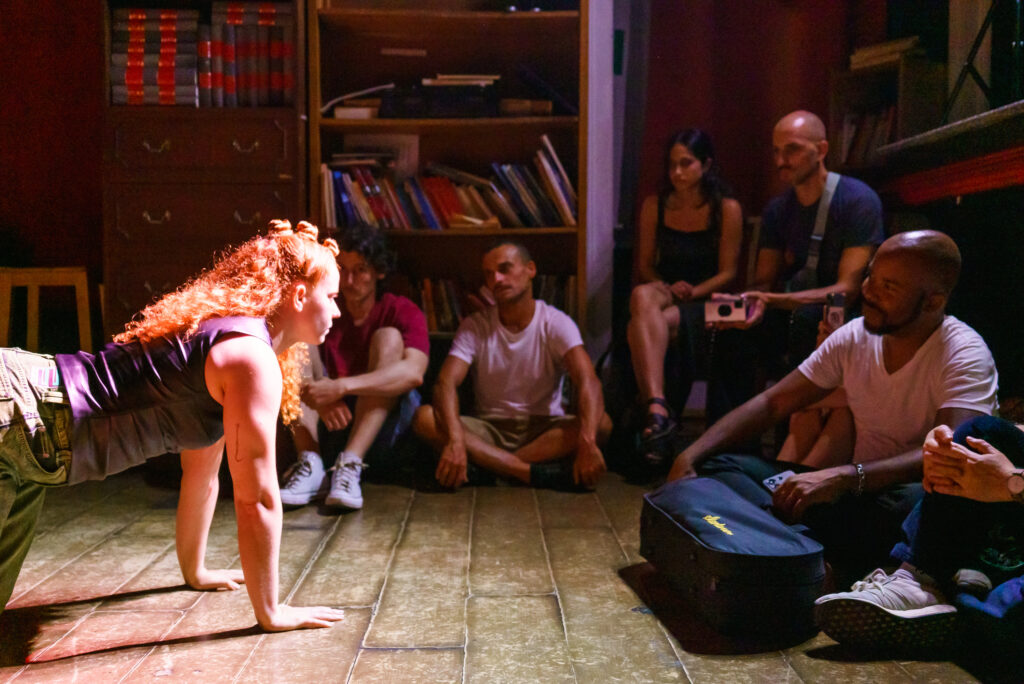
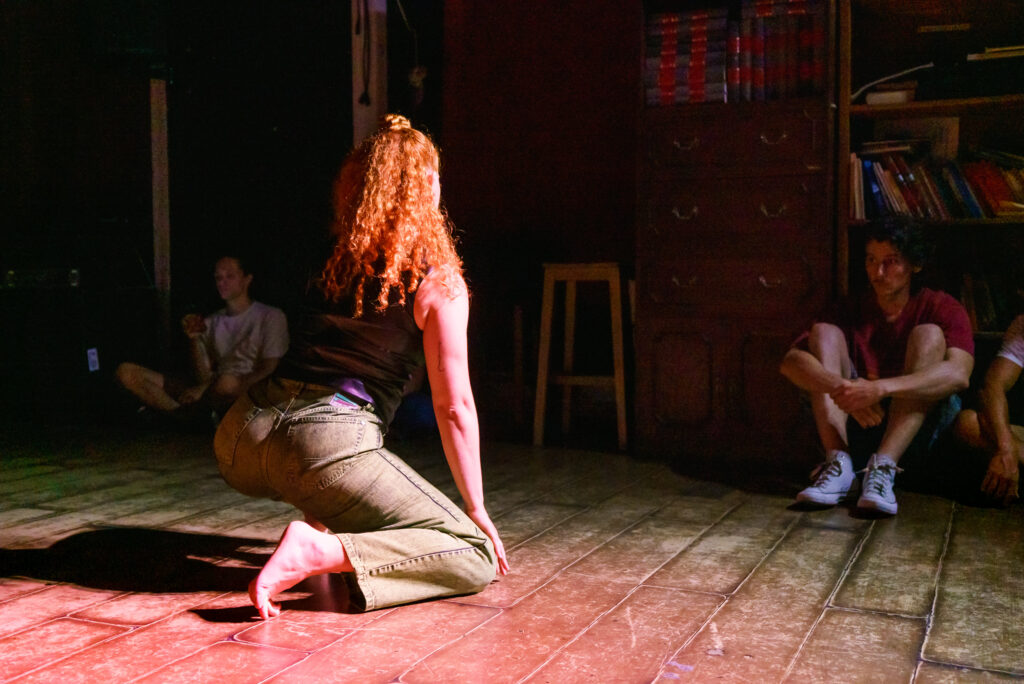
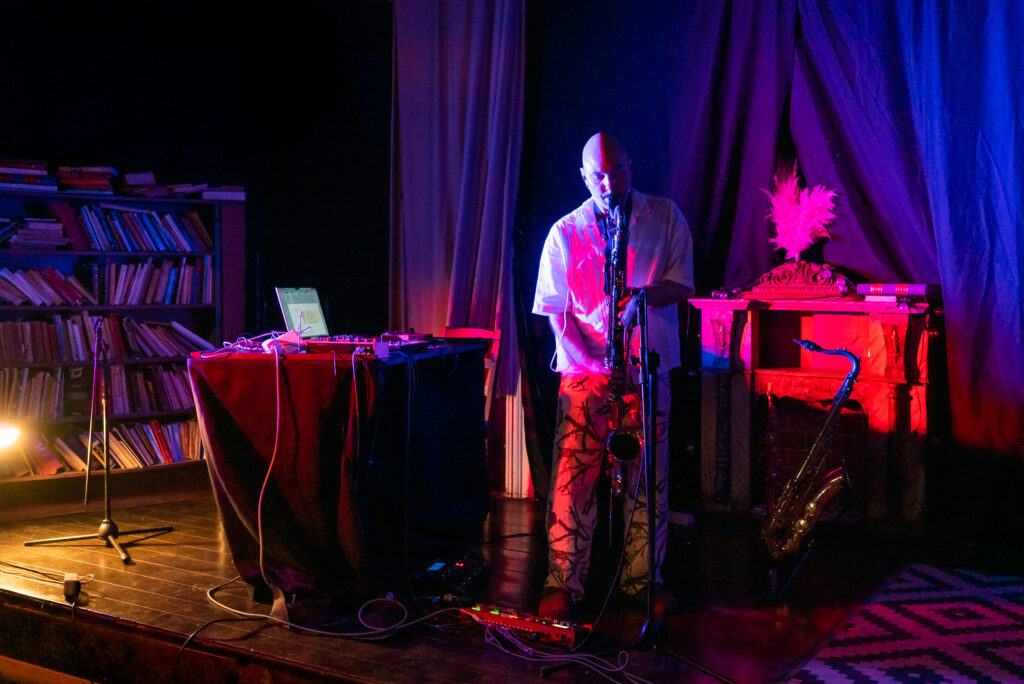
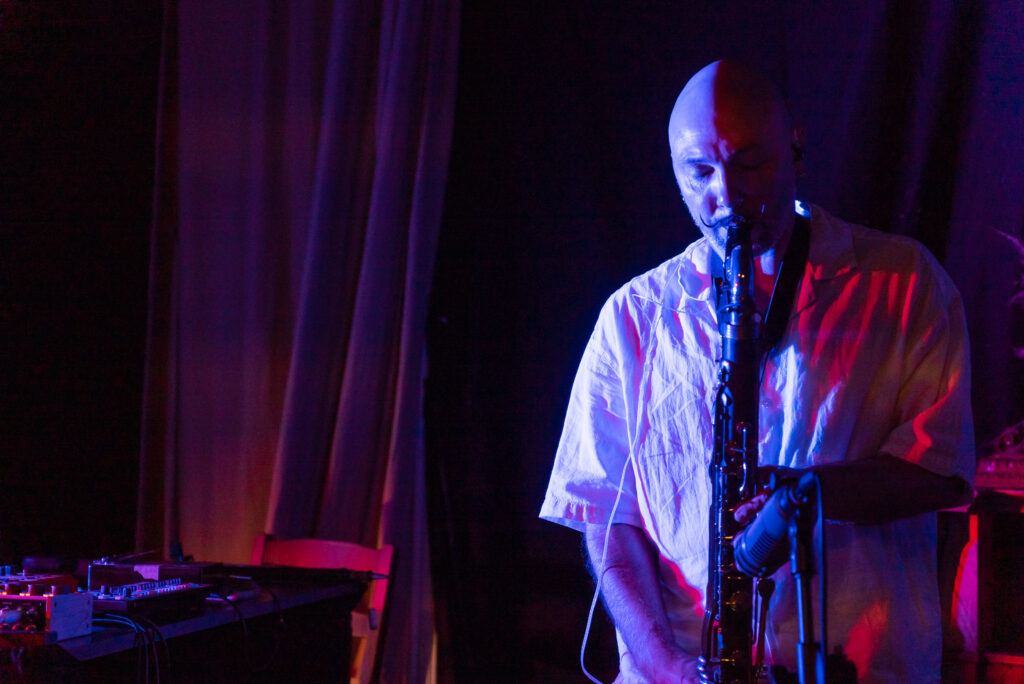
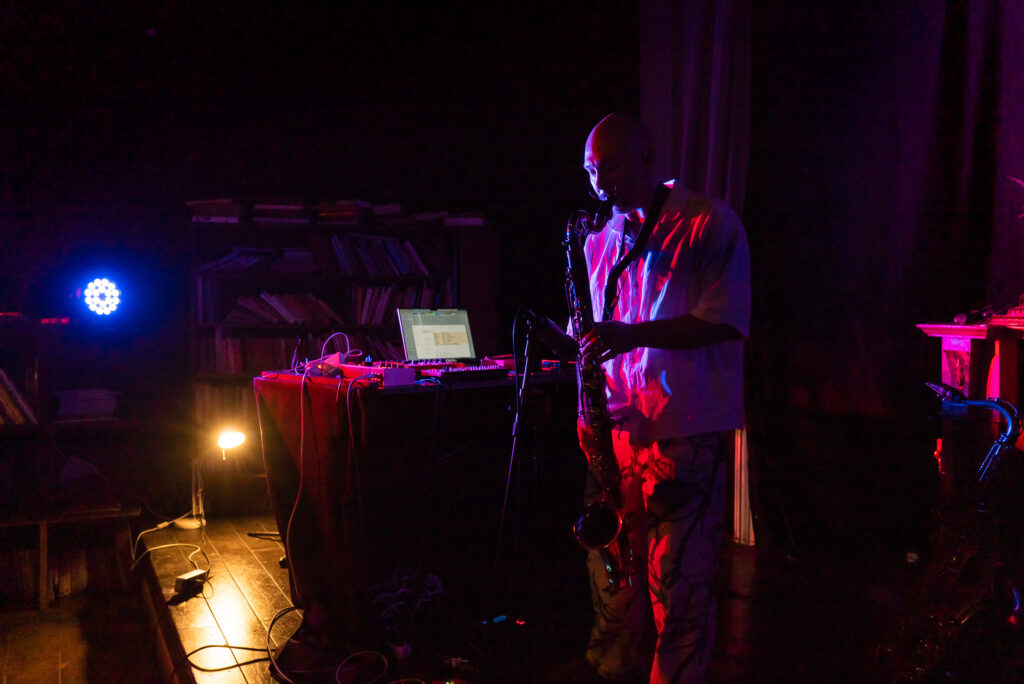
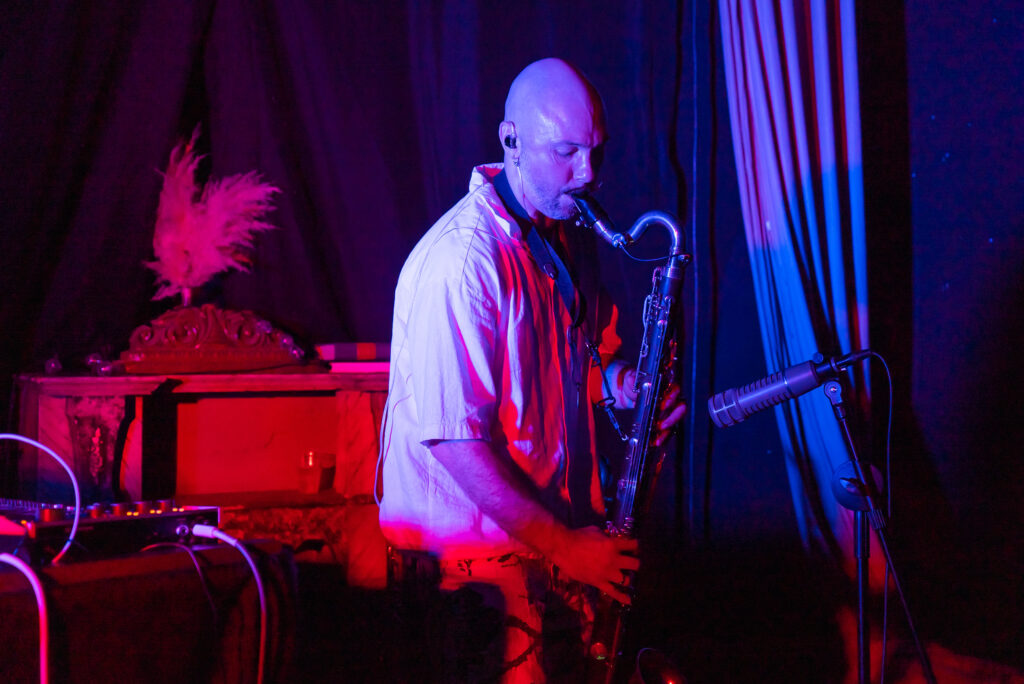
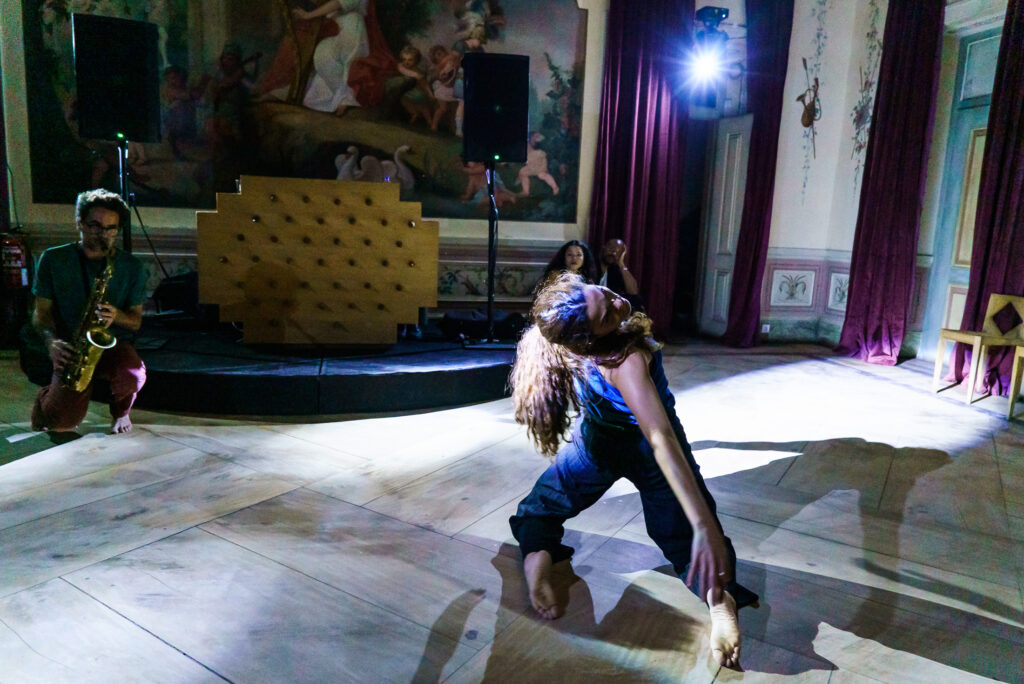
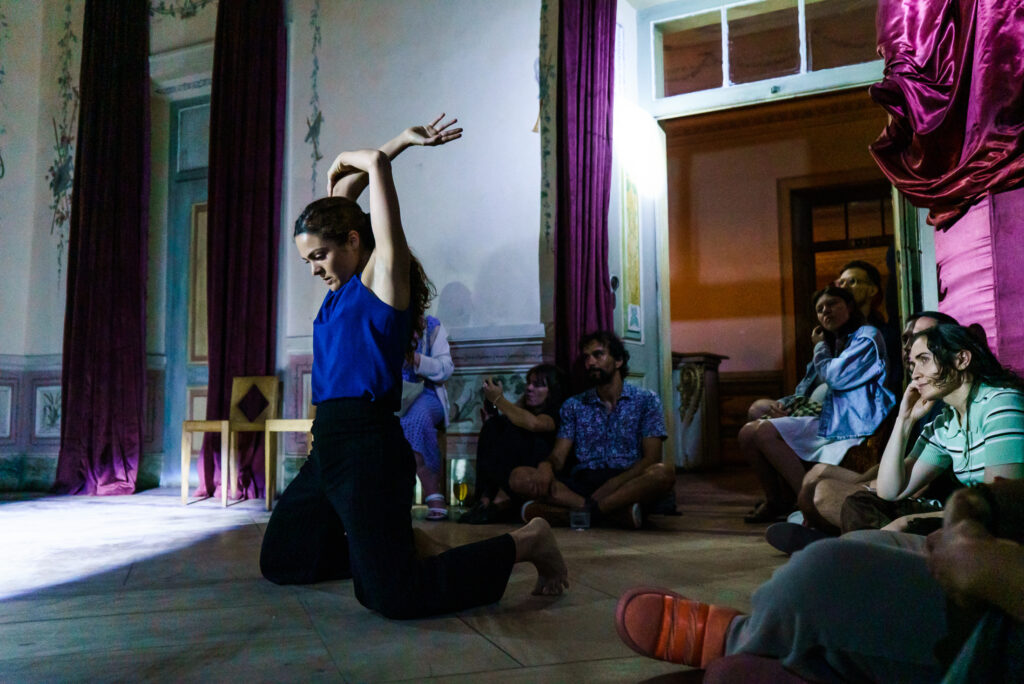
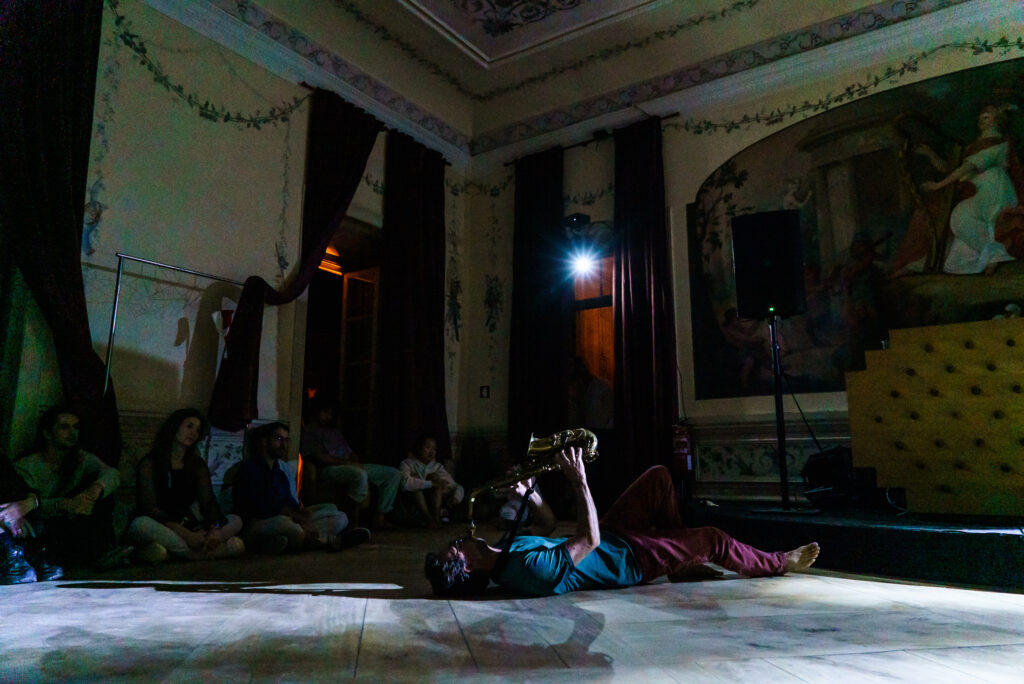
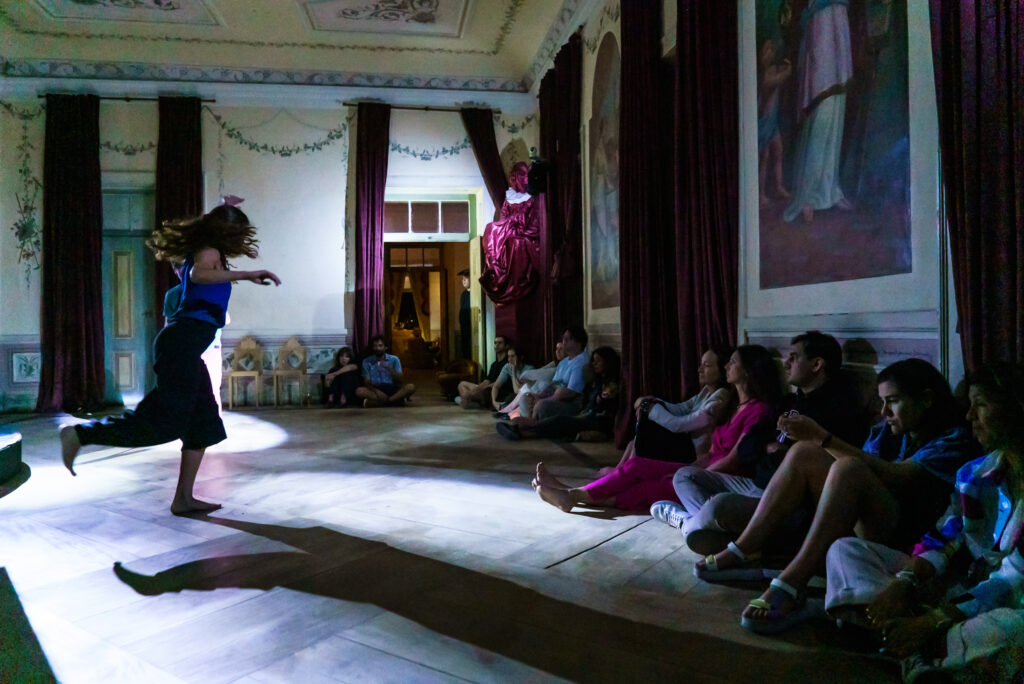
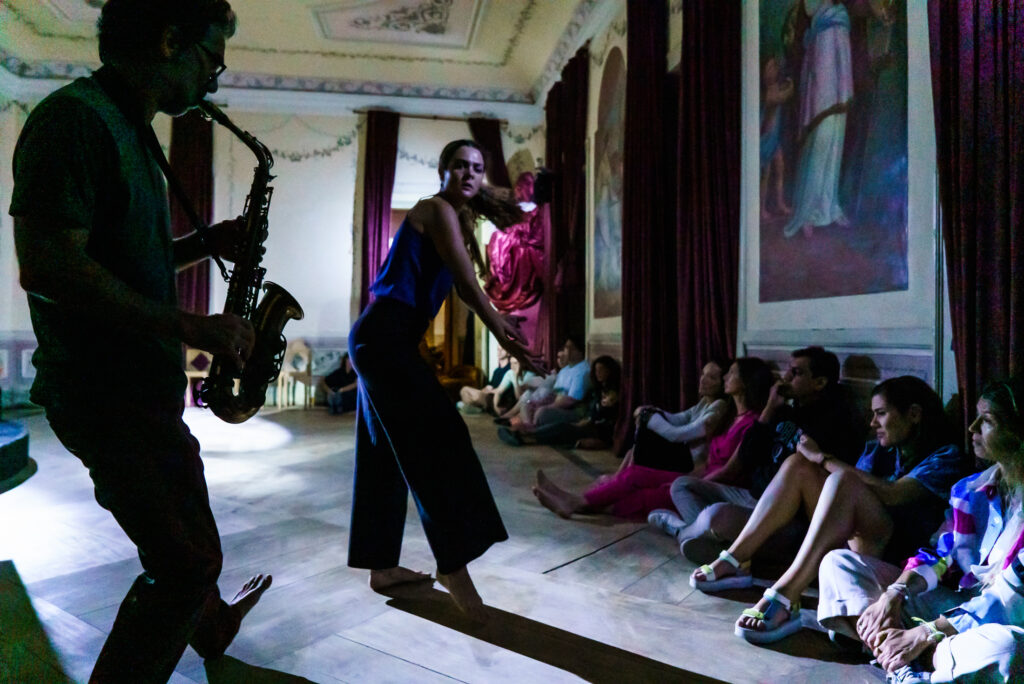
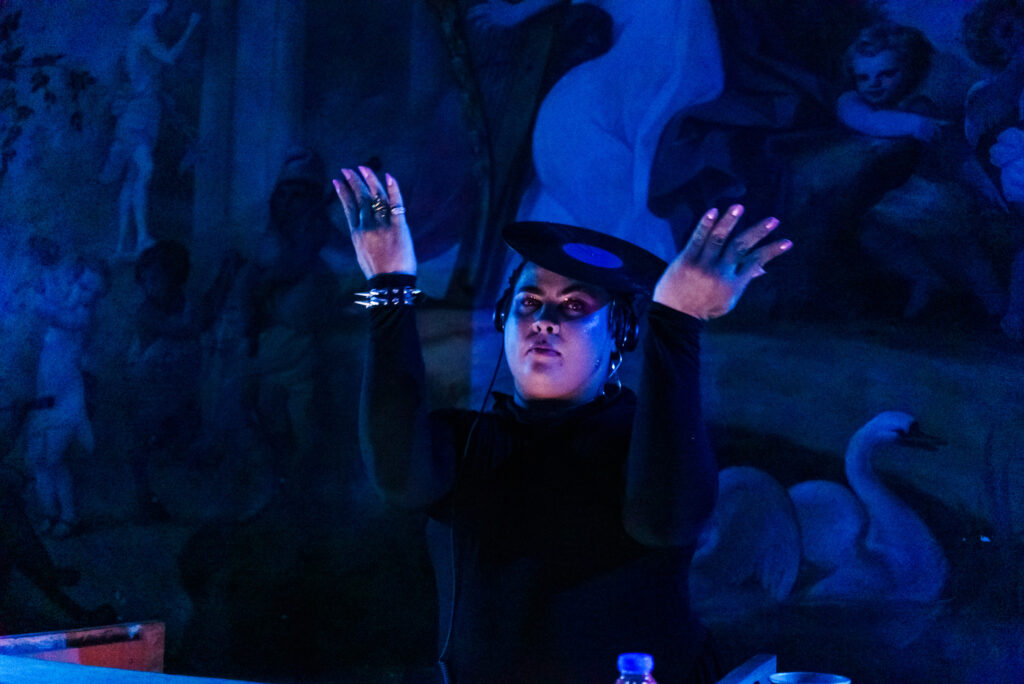
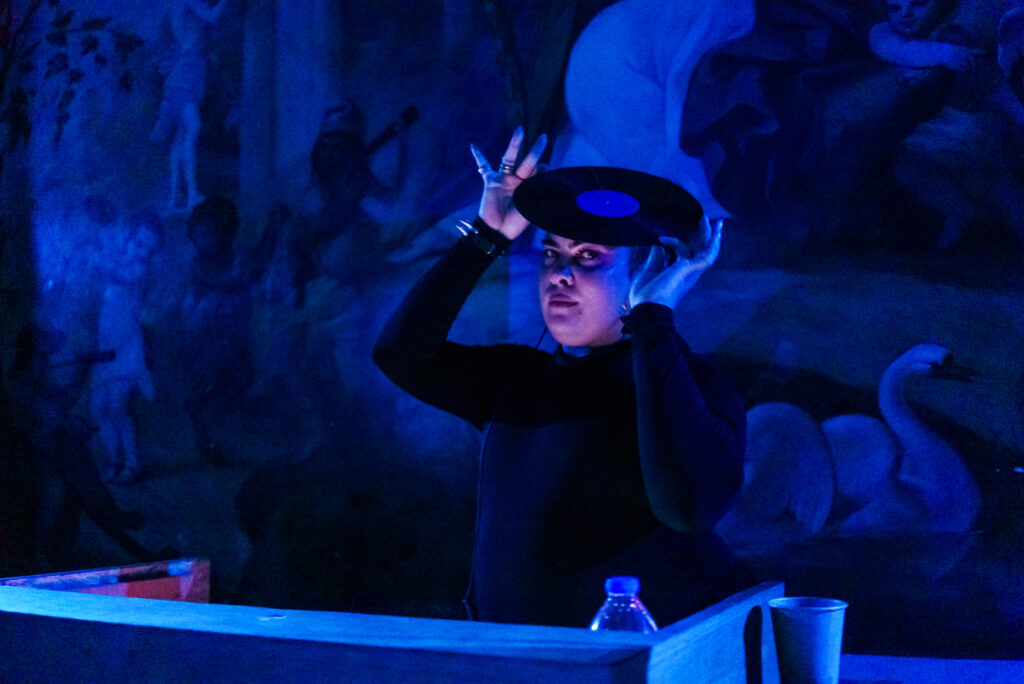
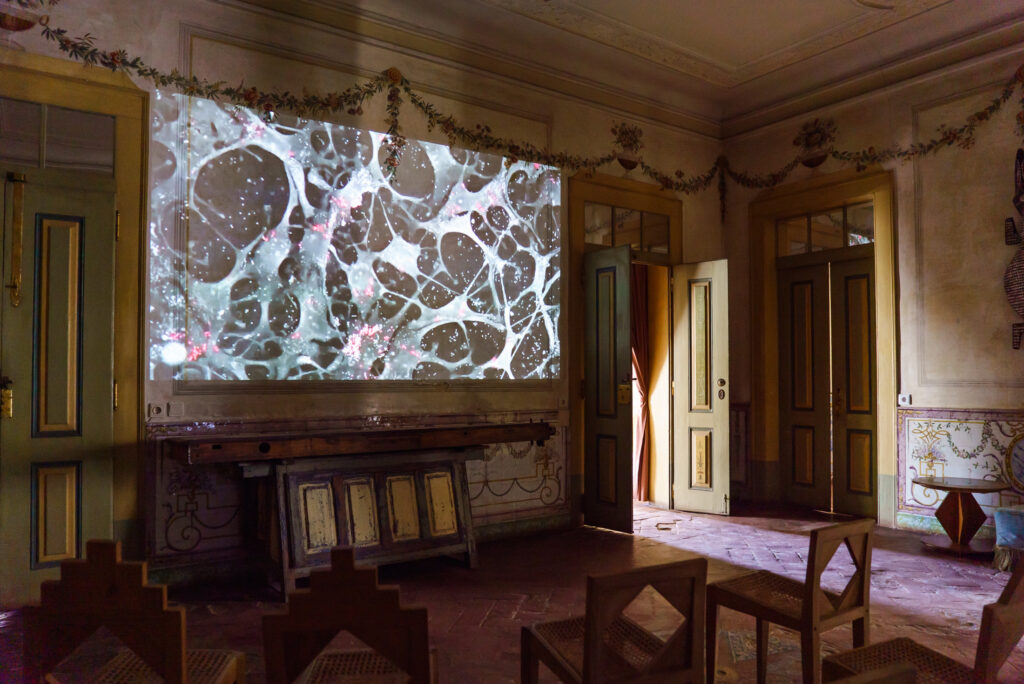
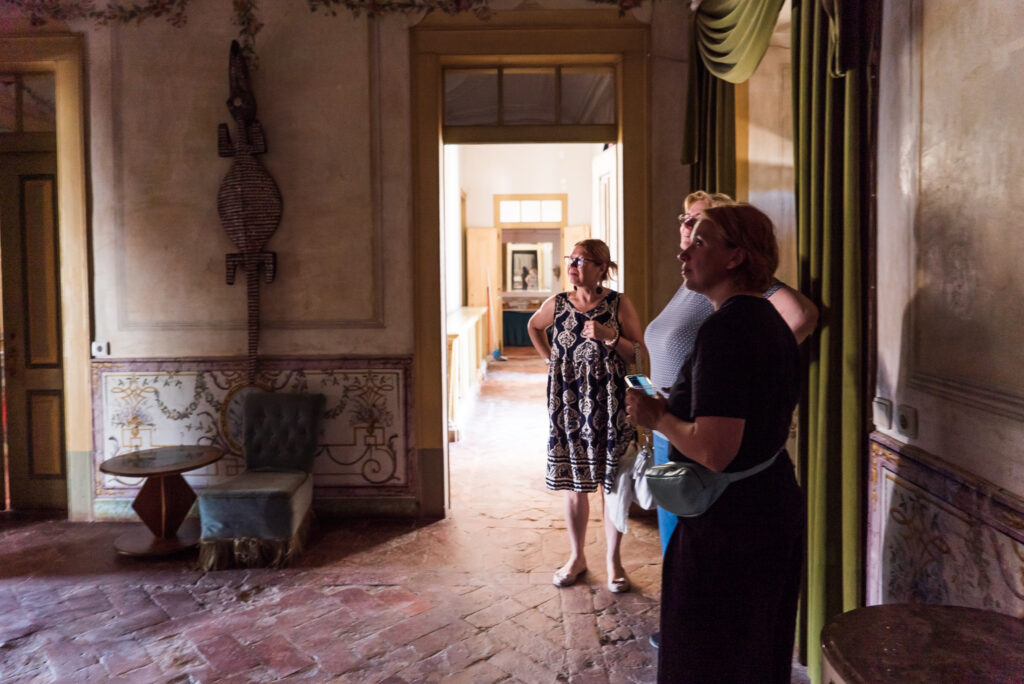
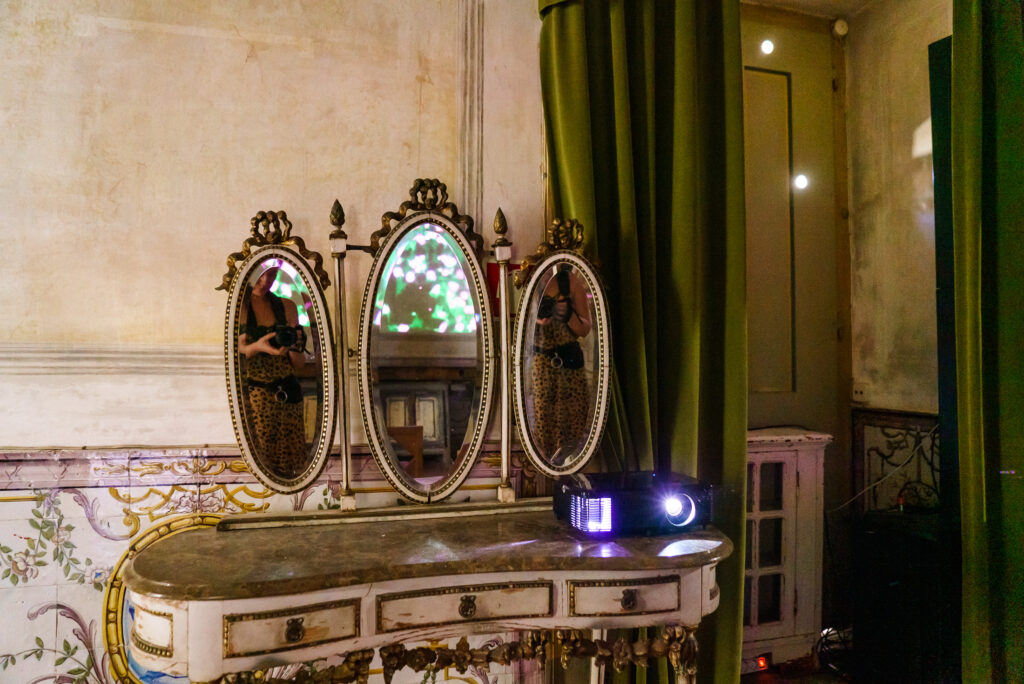
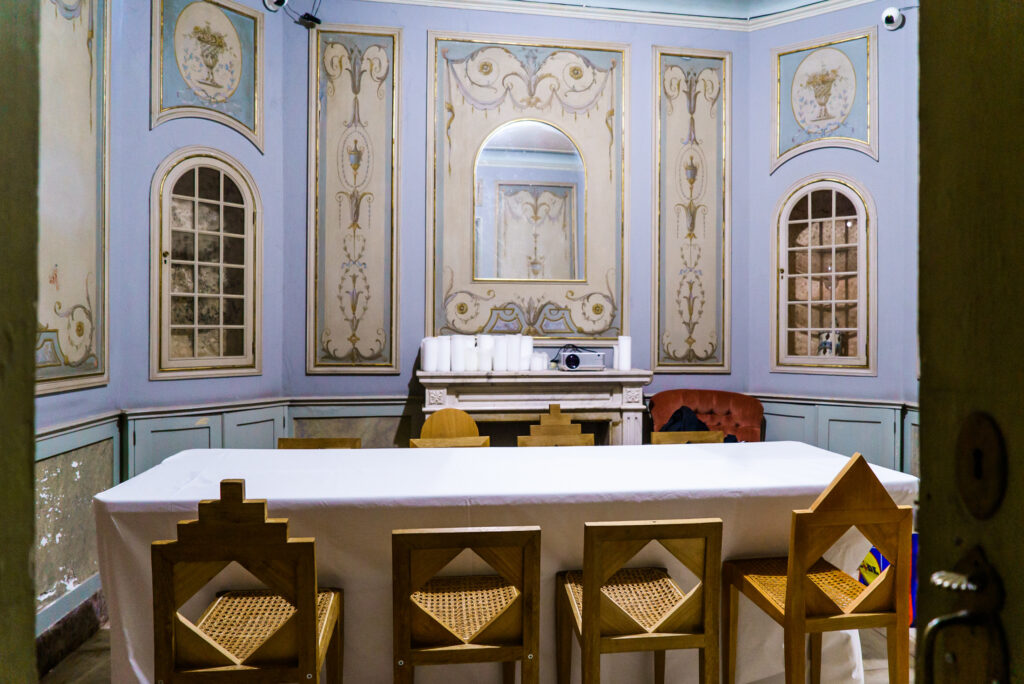
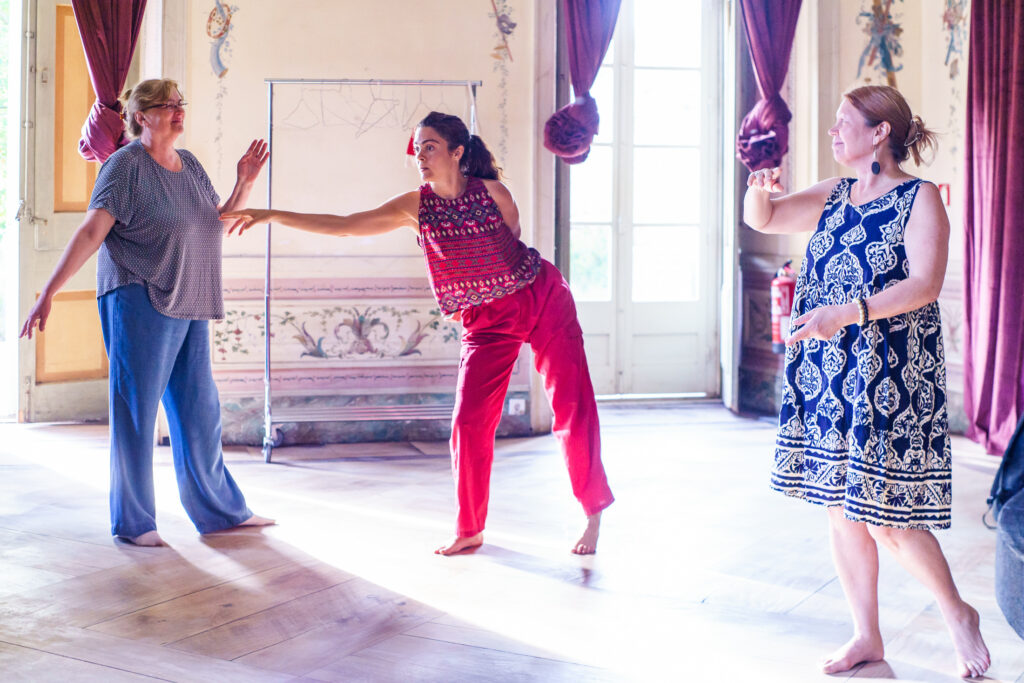
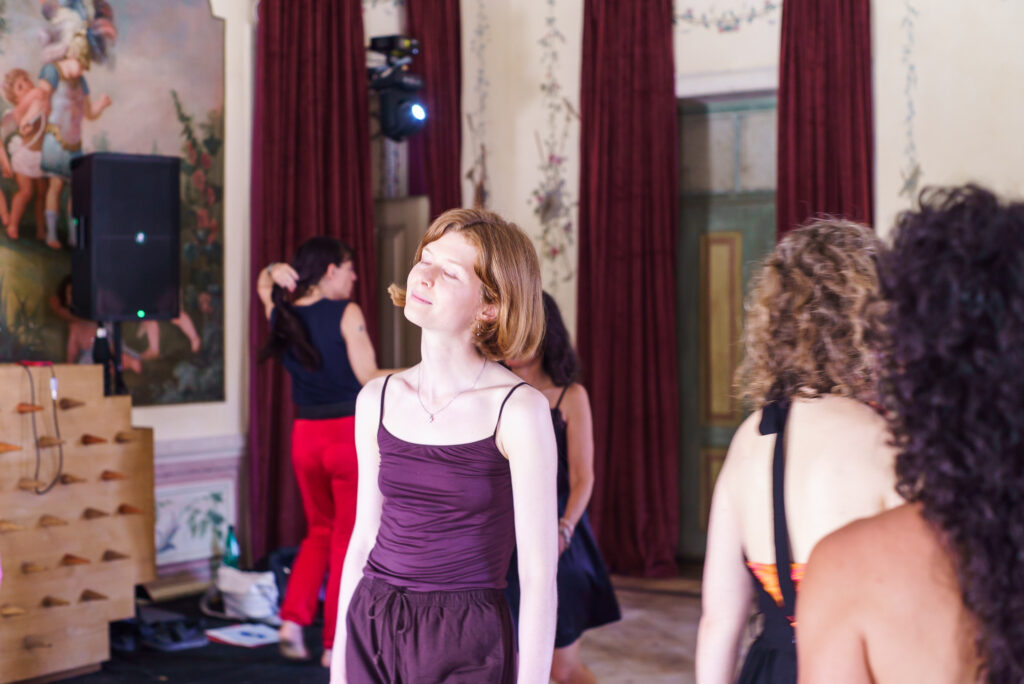
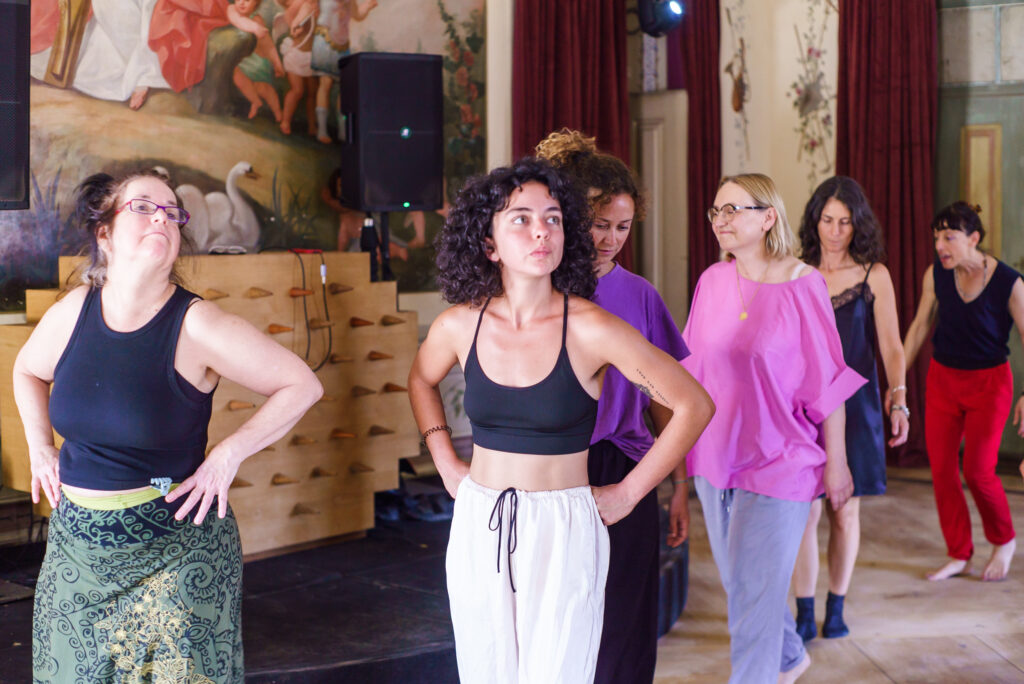
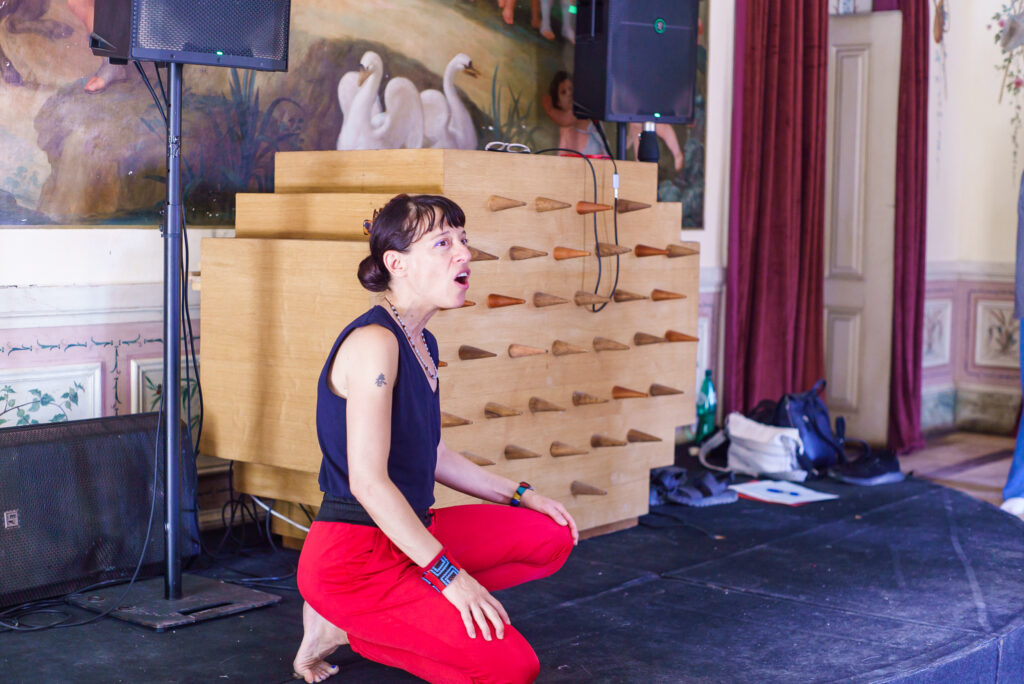
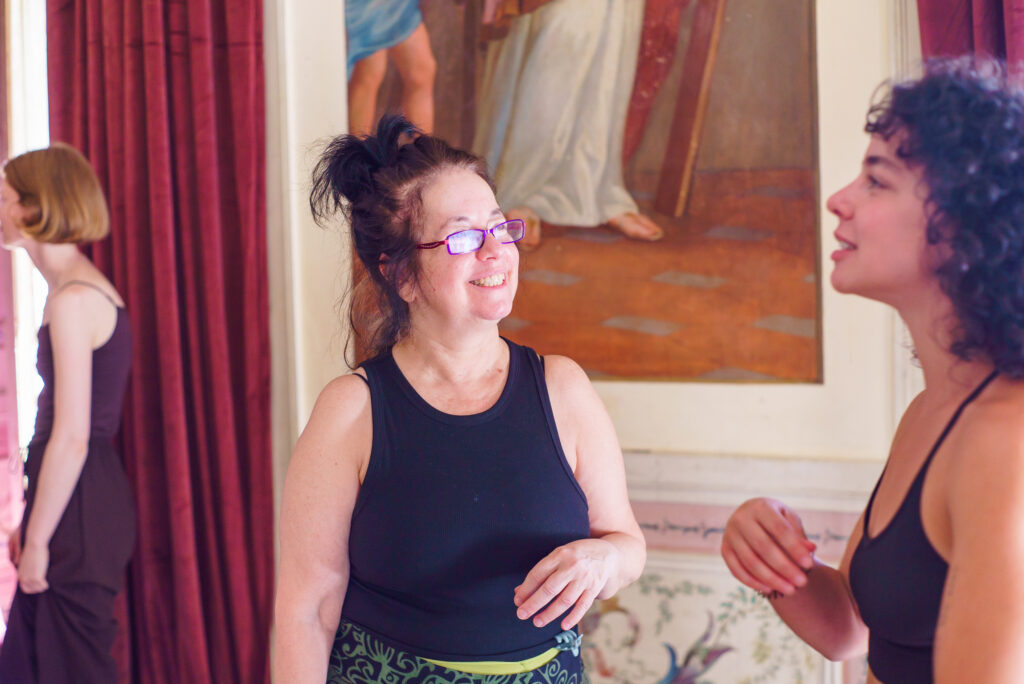
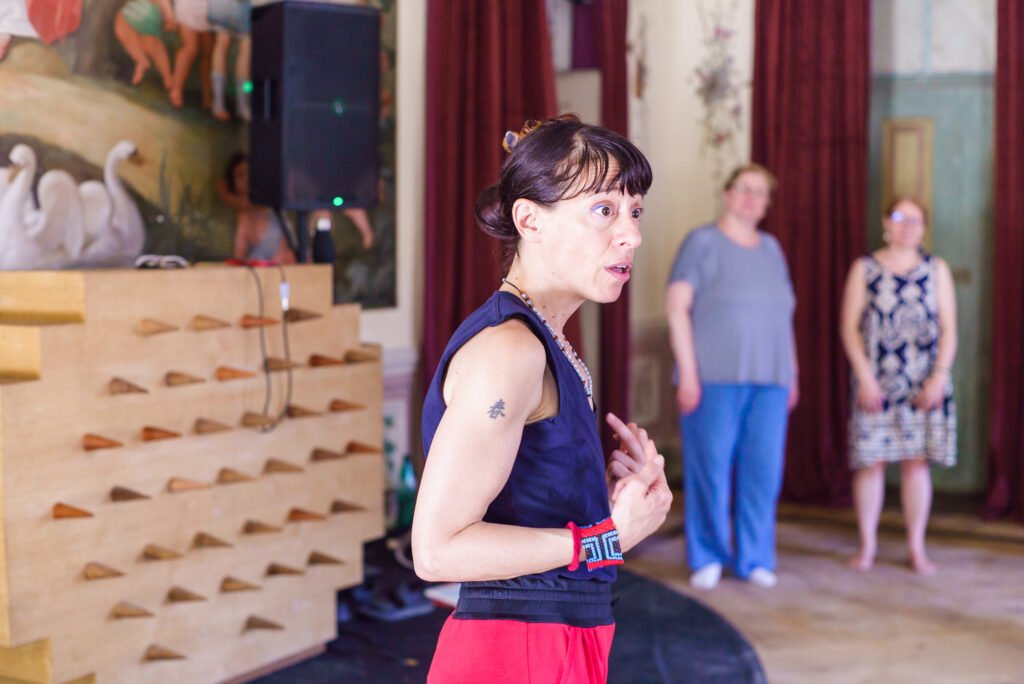
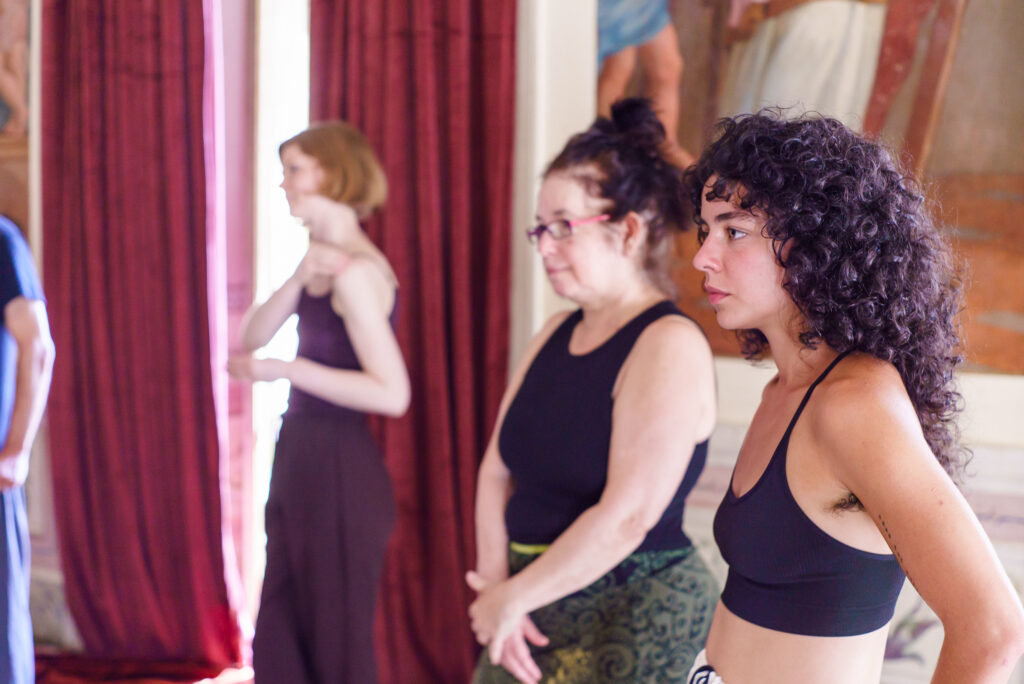
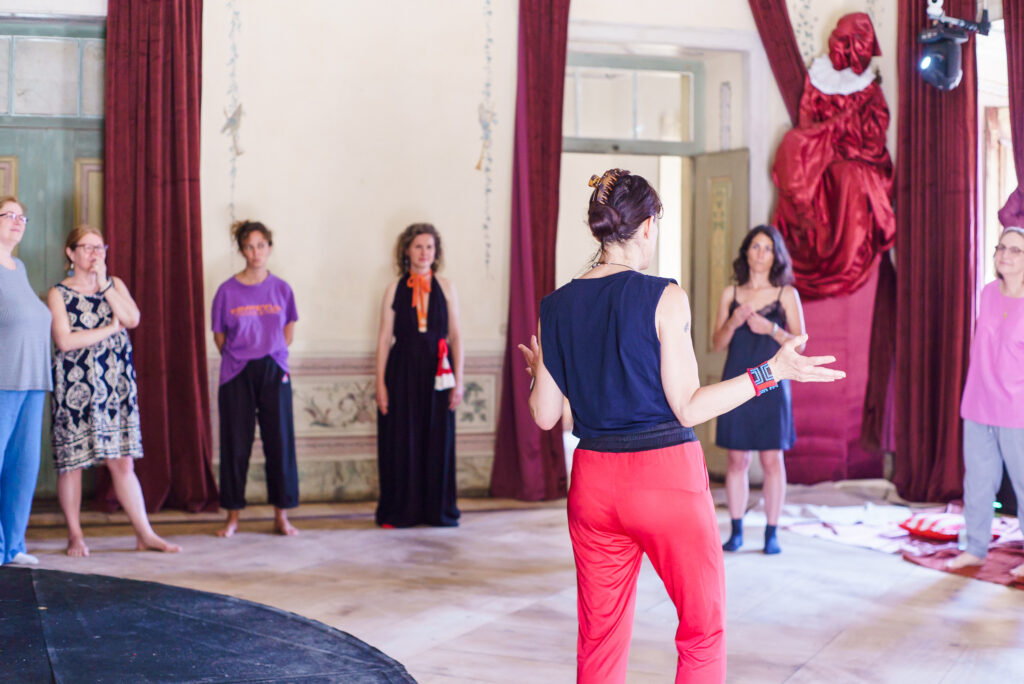
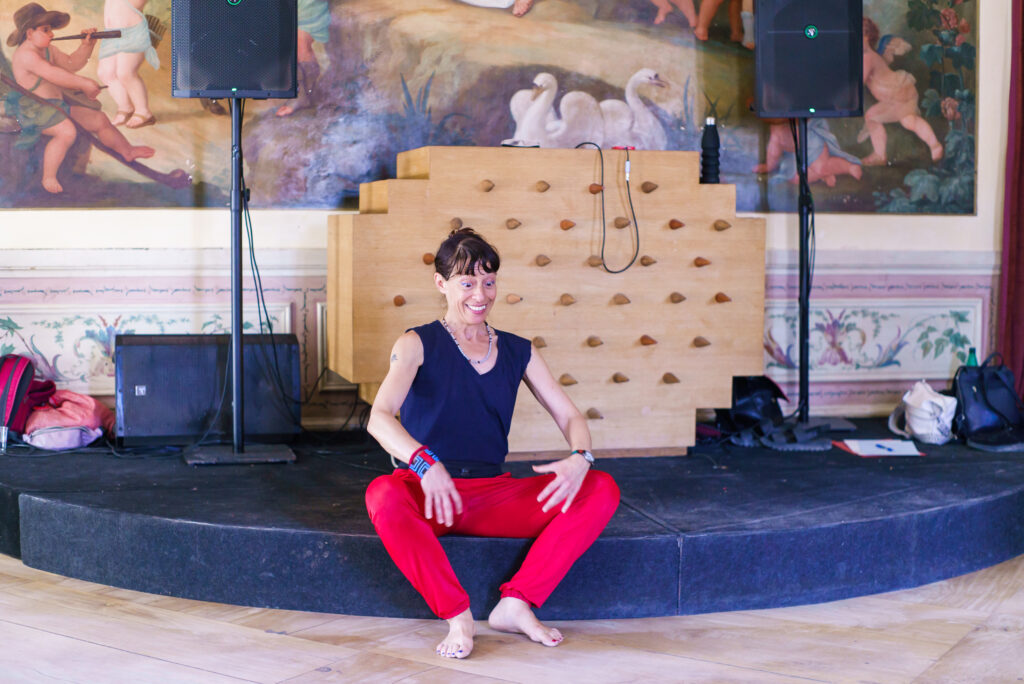
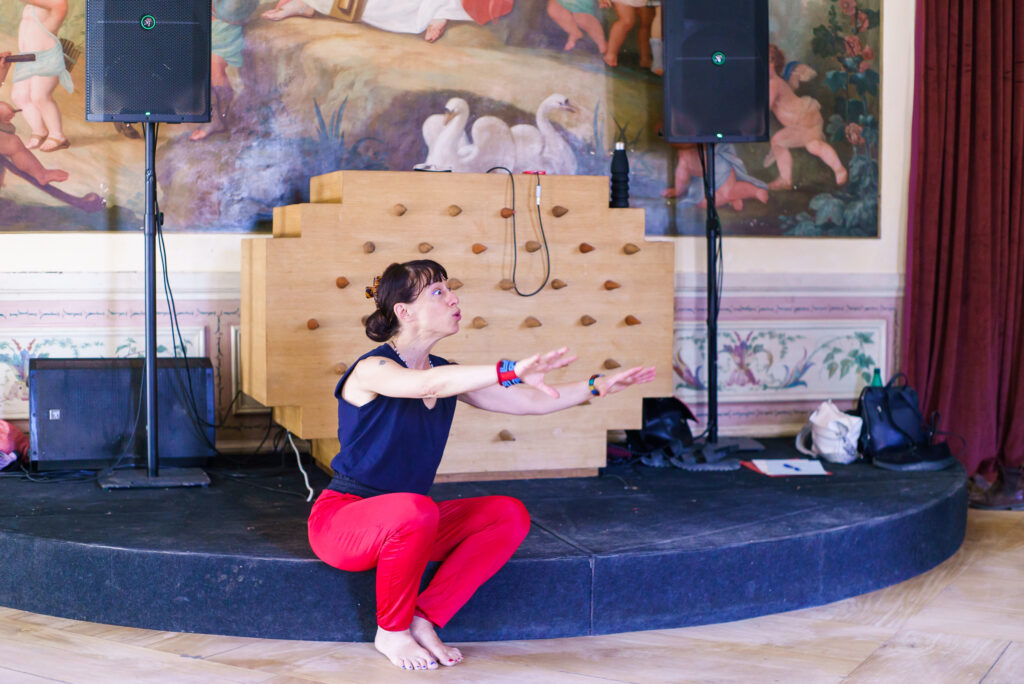
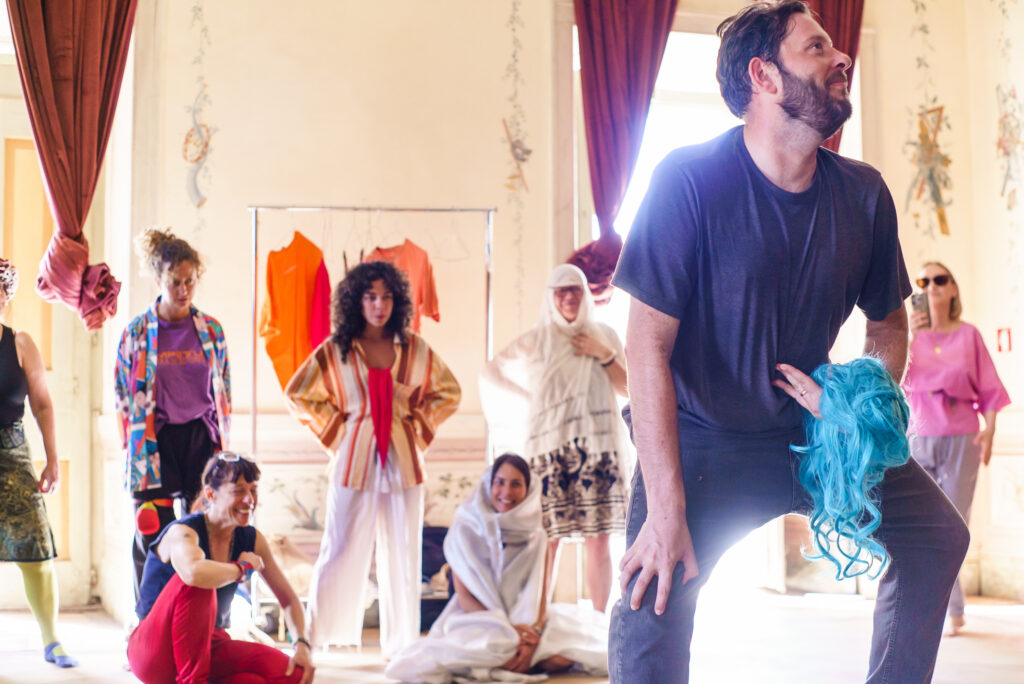
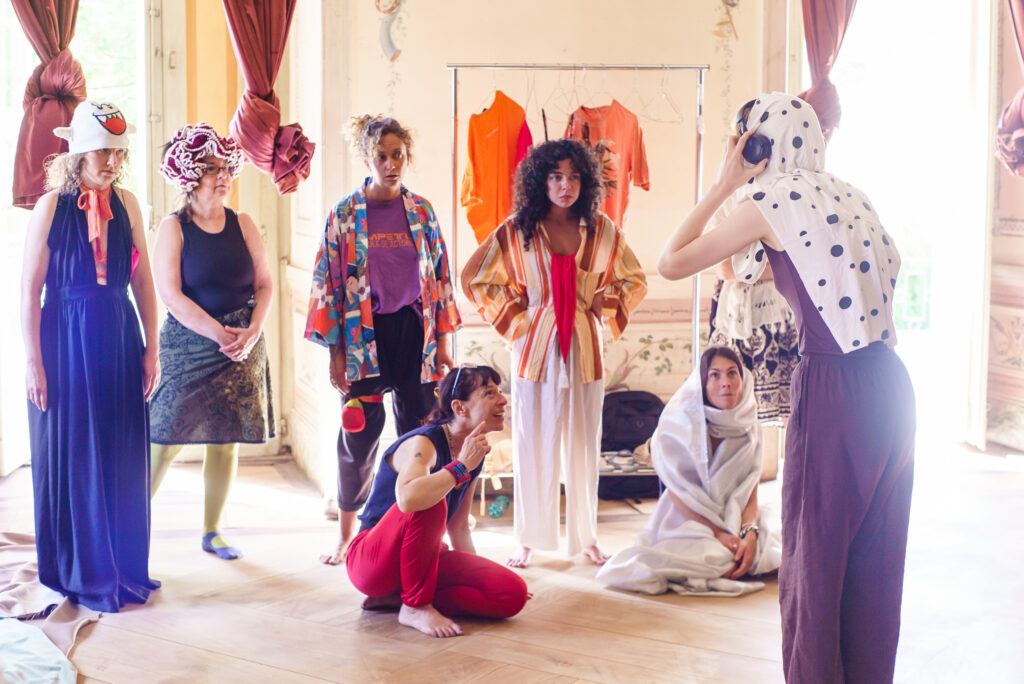
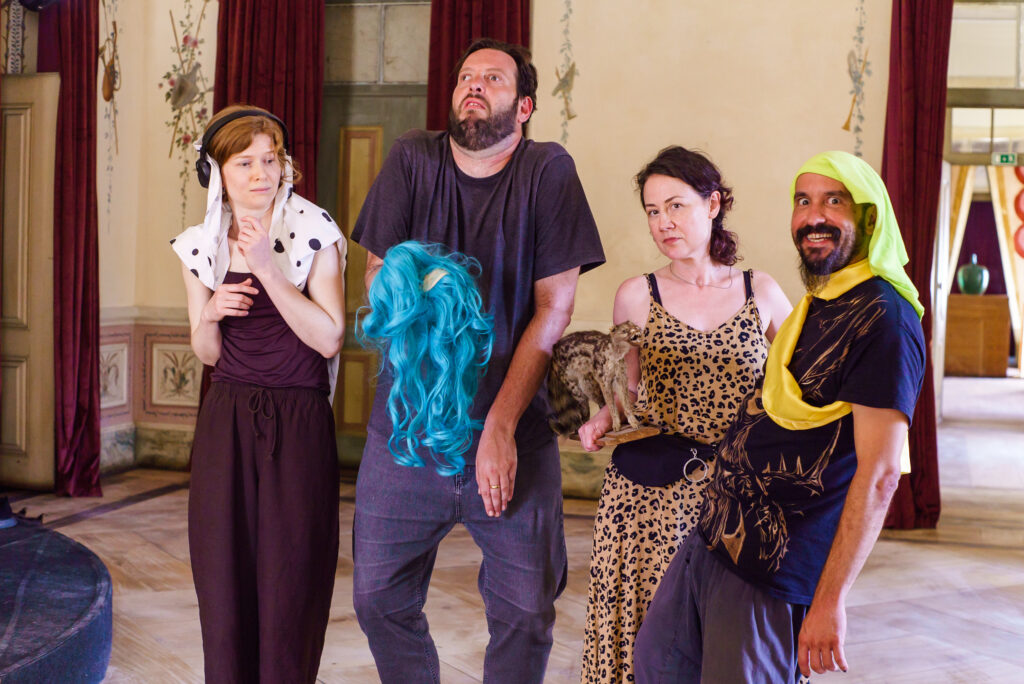
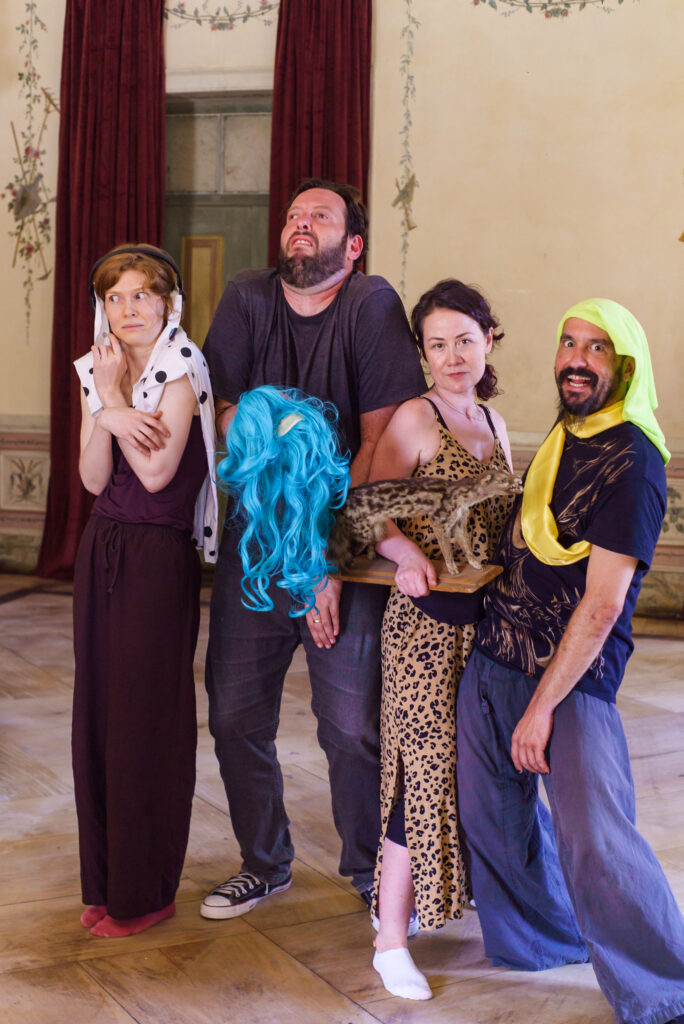
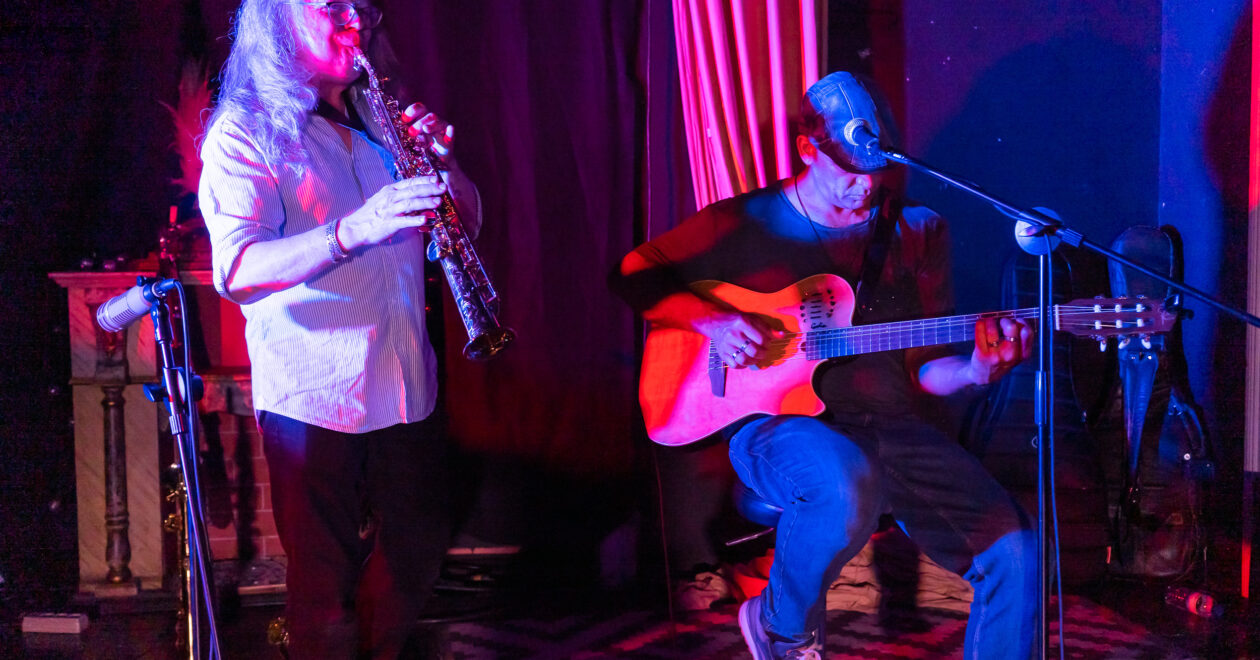
From the opening events at Fábrica Braço de Prata to the closing disco session at Palácio do Grilo, the festival was a living laboratory for creativity, participation and intercultural dialogue. Over three intensive days, around 500 participants took part in a rich programme of artistic and educational activities, including musical performances, dance, theatre improvisation, visual installations, workshops, open mic sessions, collective jam sessions, and dedicated professional development workshops for educators.
The festival reflected the broader objectives of the Performing Bridges project: using
improvisational arts to strengthen inclusive learning environments, civic engagement and social participation. The Erasmus+ project brings together organisations from Portugal, the Netherlands and Latvia to develop innovative methods that help educators, artists and youth workers create more engaging, democratic and accessible learning experiences. Its priorities include inclusion and diversity, creativity, civic participation and improving the accessibility of adult education.
Learning through improvisation Unlike traditional artistic festivals, Total Improv Festival was designed as an educational experience. Participants did not simply observe performances—they actively explored improvisation through collaborative practice.
Across workshops and performances, participants learned to:
listen attentively and respond to others in the moment;
accept uncertainty, mistakes and unexpected situations as opportunities for learning;
embrace unfamiliar artistic forms, perspectives and behaviours without judgement;
communicate through movement, sound, body language and creative expression;
develop creativity, adaptability and collaborative problem-solving;
build trust within diverse groups;
appreciate diversity as a resource for learning and collective creation.
These experiences directly supported the project’s educational objectives of developing creativity, communication, confidence, collaboration and civic competences through improvisation while creating safe spaces where every participant can contribute regardless of language, cultural background or previous artistic experience.
From artistic experience to educational practice before arriving in Lisbon, educators from Portugal, the Netherlands and Latvia had already participated in national professional training workshops focused on applying improvisation in
educational settings. The festival provided an opportunity to test, refine and expand these approaches in an international environment.
The experiences gathered during the three national workshops and throughout the festival are now being integrated into the project’s Methodological Toolkit that will offer practical guidance for educators, trainers and community workers wishing to incorporate improvisation into their professional practice and make these methods accessible to adult educators across Europe, providing practical exercises that can be adapted to formal and non- formal learning contexts.
Building bridges through creativity: Improvisation develops the ability to listen before responding, accept different perspectives, collaborate without fixed scripts and create together despite uncertainty. These competences are increasingly important for educators working with culturally diverse groups and learners with different educational backgrounds.
The Total Improv Festival demonstrated that artistic practice can become a powerful
educational tool for promoting inclusion, empathy, resilience and active participation. By bringing together artists and educators from three European countries, the festival embodied the core vision of the Performing Bridges project: using creativity to build stronger, more connected and more inclusive communities through lifelong learning.